
 7 hours ago
4
SEE YOUR AD HERE
What does it mean to be a man in South Africa today? For some, it means leading organisations while carrying responsibilities that seldom appear on a balance sheet. For others, it means searching for employment, supporting extended families, navigating fatherhood or rebuilding after loss. Across these experiences lies a demanding question: how can men respond to pressure while recognising that their choices shape not only their own lives, but the wellbeing of others and society as a whole?
EmpowaMEN™ connects this question to leadership, wellbeing and social responsibility. Having worked with more than 25,000 men to date, we have curated the EmpowaMEN Summit as a national signature men’s gathering: a platform for confronting difficult realities, strengthening male allyship and translating dialogue into practical commitments.
Understanding the complexities men carry
South African men navigate intersecting pressures shaped by economic exclusion, inequality, historical disadvantage, cultural expectations and changing family structures. The expectation to provide can collide with unemployment or unstable income. Professional success can coexist with debt, loneliness, relationship breakdown and the demands of supporting several generations.
For some men, dignity becomes closely tied to earning power. Others struggle to reconcile inherited ideas of authority with relationships requiring equality and shared responsibility. Younger men encounter competing messages about success, sexuality and status, including digital narratives celebrating dominance and material wealth.
These realities deserve serious engagement. Understanding pressure creates opportunities for support, prevention and responsible choices. Accountability remains essential because individual actions inevitably affect the wider human community.
A national gathering with practical purpose
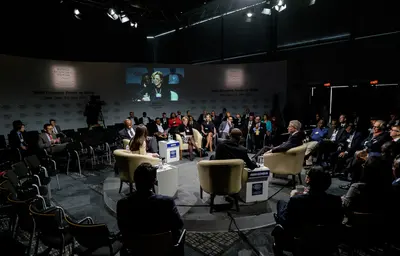
On Saturday, 28 November 2026, from 08:00 to 17:00 at Mosaïek Teatro, Johannesburg, EmpowaMEN is designed to convene 4,000 CXO men, executives, entrepreneurs and decision makers, connecting personal growth with professional capability and social responsibility. Its significance rests on connecting personal accountability with institutional influence. Men who lead businesses, employ people, shape public discourse and influence communities can change the environments around them. Leadership conversations, masterclasses, networking and interactive experiences create opportunities to examine wellbeing, economic participation and responsible masculinity. The summit agenda provides a starting point for delegates and organisations planning their participation.
Male allyship in the fight against GBVF
The fight against gender-based violence and femicide (GBVF) sits at the centre of a credible conversation about modern masculinity. Women’s safety, dignity, rights and freedom must shape the standards against which responsible leadership is assessed, recognising that the wellbeing of one depends on the wellbeing of all.
EmpowaMEN advances allyship through action: challenging sexist language, rejecting coercion, respecting consent, intervening safely when witnessing harmful conduct and refusing to protect perpetrators through silence, status or loyalty. Allyship requires listening to women’s experiences without defensiveness, respecting survivor agency and supporting appropriate services and accountability processes. Men must examine behaviours through which entitlement, intimidation and unequal power become normalised. WHO has highlighted how harmful gender norms can encourage risky behaviours and negative attitudes and practices towards women. Challenging these norms supports gender equality.
Personal pain cannot justify abuse, and brotherhood cannot shield anyone from accountability.
Strength that includes seeking support
Responsible masculinity requires healthier ways of managing distress, disappointment and uncertainty. Seeking support must be compatible with dignity and leadership. WHO’s European review identified self-reliance, difficulty expressing emotions and expectations of self-control among barriers to men seeking mental health support. Although geographically distinct, this research raises relevant questions about expectations that discourage help-seeking. EmpowaMEN encourages constructive peer relationships and qualified support where needed. Emotional honesty, respectful communication and acknowledging mistakes strengthen responsibility and help younger generations recognise healthier responses to pressure.
Conversations reflecting interconnected lives
The platform recognises that identity, family, violence, sexuality, health, wealth, spirituality, substance abuse and the future intersect in men’s lives. Provider pressure belongs in discussions about financial resilience. Fatherhood requires attention to presence, caregiving and relationships after separation. Sexuality demands respect for consent and inclusion. Spirituality invites reflection on ethical conduct and service. Technological change requires adaptability and responsible judgement. A father living apart from his children, a young man entering employment and an executive managing organisational change face distinct challenges. Each needs relevant insight, appropriate expertise and a clear understanding of responsibility.
Why organisations should send men in numbers
For employers, sending a substantial delegation creates an opportunity to connect employee wellbeing, leadership development and workplace culture through shared learning. Individual insight gains organisational value when colleagues return with a shared understanding that personal growth, workplace culture and collective success are interconnected.
Boards, executive teams, HR leaders and transformation practitioners are invited to mobilise delegations across seniority levels: executives, managers, emerging leaders and employee representatives.
Participation can provide a foundation for internal conversations about respectful conduct, caregiving, mentorship, financial pressure and seeking support. Organisations can strengthen its value through a structured debrief and clear commitments relevant to their workplaces.
The proposition is practical: invest in men’s capacity to lead responsibly, build constructive relationships and contribute to safer, more inclusive institutions. Sending men together creates an opportunity to carry the conversation into everyday organisational life.
Why brands should partner
EmpowaMEN offers brands an opportunity to connect relevant expertise with an influential audience around issues that matter beyond the event. Financial institutions can contribute financial literacy and enterprise insight. Health partners can encourage appropriate engagement with qualified providers. Technology companies can support digital capability. Employers, professional bodies and development institutions can advance mentorship and leadership learning.
Sponsorship & funding should create useful participant experiences, credible brand engagement and practical pathways to further support. Partnerships can align with agreed objectives, deliverables and reporting, including participation, feedback, consent-based enquiries and documented follow-through. For brands seeking relevance, the invitation is to contribute expertise, enable access and demonstrate responsibility through delivery. Meaningful participation can strengthen relationships with the men who lead organisations, support households and influence communities.
Platform integrity and responsible participation
EmpowaMEN advances responsible masculinity, accountable leadership and constructive societal progress, grounded in human dignity, gender equality, inclusion and shared responsibility. It supports women’s rights, meaningful allyship and GBVF prevention.
Views expressed by contributors remain their own unless expressly adopted in an authorised EmpowaMEN statement. Participation, sponsorship, branding or publication does not itself constitute endorsement of any opinion, claim, organisation or commercial offering by EmpowaMEN, EmpowaWorx or other stakeholders. Contributors remain responsible for the accuracy and lawfulness of their statements.
Respectful disagreement is welcome. Hate speech, harassment, intimidation, unfair discrimination, incitement to violence and the promotion or justification of abuse are prohibited across events, digital channels and associated engagements. Contributions must respect dignity, privacy and rights.
Attend. Mobilise. Partner. Act.
South Africa needs men who can confront complexity, stand alongside women against GBVF and recognise that accountability is strongest when rooted in our shared humanity and interconnected future.
EmpowaMEN invites individuals, organisations and brands to help advance that responsibility.
For men: secure your seat, examine your assumptions and leave with commitments that matter to your family, workplace and community.
For organisations: send men in numbers. Make the summit a shared investment in leadership, wellbeing, allyship and constructive workplace relationships.
For brands: partner with the initiative through sponsorship & funding that connects your capabilities with relevant needs and meaningful engagement.
Join us on 28 November 2026 at Mosaïek Teatro, Johannesburg.
Where Men Lead. Where Men Grow. Where Men Build Legacy
Tickets available here:


 English (US) ·